
Massage Services in the UK
Most Popular Massages in the UK

Swedish Massage
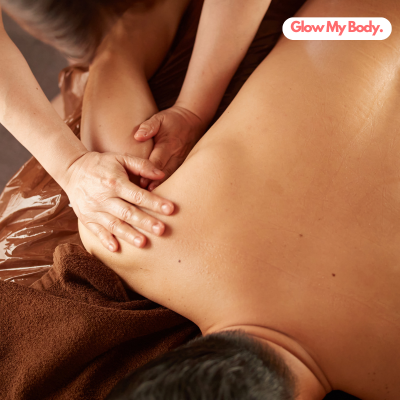
Deep Tissue Massage
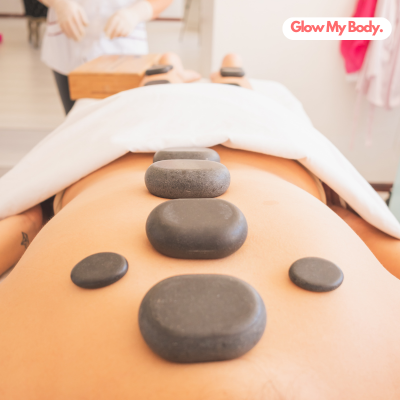
Sports Massage

Hot Stone Massage
Aromatherapy Massage
Thai Massage
Shiatsu Massage
Reflexology
Prenatal (Pregnancy) Massage
Lymphatic Drainage Massage
Trigger Point Massage
Myofascial Release
Couples Massage
Chair Massage
Tui Na (Chinese) Massage
Indian Head Massage
Specialized Massages in the UK
Cupping Therapy Massage
Bamboo Massage
Balinese Massage
Ayurvedic Massage (Abhyanga)
Acupressure Massage
Lomi Lomi (Hawaiian) Massage
Craniosacral Therapy
Reiki
Hot Oil Massage
Foot Massage
Stone Therapy Massage
Four Hands Massage
Tantric Massage
Watsu (Water Shiatsu)
Hydrotherapy Massage
Thai Yoga Massage
Alternative Massages in the UK
Oncology Massage
Rolfing Structural Integration
Ashiatsu (Barefoot) Massage
Polarity Therapy
Gua Sha
Esalen Massage
Bowen Therapy
Biodynamic Massage
Trager Approach
Medical Massage
Tibetan Sound Therapy Massage
Korean Body Scrub Massage
Benefits of Massage Therapy
Massage therapy offers numerous advantages that extend beyond relaxation. Regular massage treatments can significantly enhance physical, mental, and emotional well-being. This section provides a comprehensive overview of the benefits of massage therapy, illustrating how it promotes health, reduces stress, and fosters emotional balance. Whether you’re looking to ease tension in your muscles or calm your mind, massage therapy can be a powerful tool in maintaining overall wellness.
Physical Health Benefits
Massage therapy is well-known for its positive effects on the body, offering relief from pain and aiding recovery. Here’s how regular massage can improve your physical health:
- Pain Relief: Massage helps alleviate chronic pain by relaxing tight muscles, improving blood circulation, and releasing endorphins, the body’s natural painkillers. It is especially effective for back pain, neck stiffness, and arthritis.
- Improved Flexibility and Mobility: For individuals dealing with stiffness or joint discomfort, massage can improve flexibility by loosening muscles and increasing range of motion in joints, making everyday movements easier.
- Enhanced Blood Circulation: By improving circulation, massage supports better oxygen and nutrient delivery to tissues, which accelerates healing of injuries and promotes faster recovery from workouts or surgery.
- Boosted Immune Function: Regular massages stimulate the lymphatic system, which plays a key role in removing toxins from the body. This, in turn, strengthens the immune system, helping the body fight off illness.
- Lower Blood Pressure: Research has shown that massage therapy can help lower both systolic and diastolic blood pressure, which is beneficial for overall heart health and reducing the risk of heart disease.
Relaxation and Stress Relief
One of the primary reasons people seek massage therapy is for relaxation. The process of unwinding during a massage session can have lasting effects on the body and mind.
- Deep Relaxation: Massage encourages deep relaxation by slowing down the nervous system, helping you disconnect from the stresses of daily life. It creates a sense of peace and calm that allows the body to rest and rejuvenate.
- Reduced Muscle Tension: Daily stress often leads to muscle tightness and tension, particularly in the neck, shoulders, and back. Massage helps to release this tension, preventing headaches, muscle spasms, and other stress-related issues.
- Stress Reduction: Whether work-related or personal, stress can take a significant toll on the body. Massage therapy lowers stress levels by promoting the parasympathetic nervous system (the body’s ‘rest and digest’ mode), making you feel more relaxed and in control.
- Emotional Balance: In addition to physical relaxation, massage also provides emotional release, helping people manage feelings of frustration, overwhelm, or burnout. The nurturing touch of massage therapy helps create a sense of emotional stability and grounding.
Regular massage therapy can transform both body and mind. Whether you’re looking to ease physical discomfort, improve mental health, or simply take a break from the hustle and bustle of everyday life, massage therapy offers a holistic approach to wellness. With benefits ranging from pain relief to mental clarity, it’s no wonder that massage has become a crucial part of many people’s self-care routines.
How to Choose the Right Massage for You
Choosing the perfect massage for your needs can greatly enhance the benefits you receive from your session. With so many types of massages available, it can be helpful to understand which one is best suited to your individual goals. Whether you’re looking for relaxation, pain relief, or treatment for a specific condition, there’s a massage tailored to meet your needs. Below is a guide to help you decide based on various criteria:
For Relaxation
If you’re seeking a calming experience to unwind and de-stress, massages that focus on relaxation are the way to go. These massages use gentle pressure and flowing techniques to help you feel rejuvenated and at ease.
- Swedish Massage: This is one of the most popular massages for relaxation. It involves long, smooth strokes, kneading, and circular movements to release tension and improve circulation. It’s perfect for first-timers or anyone looking to de-stress and relax.
- Aromatherapy Massage: Combining the soothing power of essential oils with Swedish massage techniques, aromatherapy massage is excellent for stress relief. The oils are chosen to promote relaxation, balance emotions, and ease anxiety.
- Hot Stone Massage: This massage uses smooth, heated stones placed on specific areas of the body to melt away muscle tension and promote deep relaxation. It’s ideal if you want a soothing experience that relaxes both mind and body.
For Pain Relief
If you’re dealing with muscle pain, stiffness, or soreness, massages aimed at pain relief can target specific areas of discomfort and provide lasting relief. These massages use deeper pressure and focused techniques to ease tension.
- Deep Tissue Massage: Using slow, deep strokes, deep tissue massage focuses on the deeper layers of muscle and connective tissue. It’s ideal for chronic pain, sore muscles, or recovering from an injury.
- Trigger Point Therapy: This technique targets tight areas within muscle tissue that cause pain in other parts of the body (referred pain). It’s especially useful for people who suffer from tension headaches, shoulder pain, or lower back discomfort.
- Thai Massage: Combining acupressure, assisted stretching, and rhythmic movements, Thai massage helps relieve muscle tension and improve flexibility. It’s particularly beneficial for people who want pain relief with added mobility improvement.
For Sports and Fitness
If you’re an athlete or physically active, a sports-focused massage can help enhance performance, prevent injury, and aid in recovery after intense physical activity. These massages are designed to address the specific needs of athletes.
- Sports Massage: Designed to help with muscle recovery and improve performance, sports massage targets areas of the body that are stressed from repetitive or intense physical activity. It can be both preventive and rehabilitative, making it ideal for athletes.
- Myofascial Release: This technique focuses on releasing tension in the fascia, the connective tissue that surrounds muscles. It’s helpful for athletes or active individuals who experience chronic muscle tightness or restricted movement.
- Active Release Therapy: Active release therapy is a specialized technique used to treat overused muscles, tendons, and ligaments. It’s ideal for athletes dealing with repetitive strain injuries, helping to increase range of motion and reduce pain.
For Chronic Health Conditions
If you suffer from chronic health conditions such as arthritis, fibromyalgia, or circulatory issues, certain massage techniques can offer relief by improving circulation, reducing inflammation, and easing muscle pain.
- Lymphatic Drainage Massage: This gentle massage promotes the circulation of lymph fluids in the body, which can help reduce swelling, improve immune function, and alleviate discomfort in individuals with chronic conditions like lymphedema or fibromyalgia.
- Reflexology: This technique applies pressure to specific points on the feet, hands, or ears, which correspond to various organs and systems in the body. It’s particularly beneficial for people with chronic pain, digestive disorders, or hormonal imbalances.
- Shiatsu: Originating from Japan, Shiatsu massage involves finger pressure applied to specific points on the body to restore energy balance and reduce pain. It’s often recommended for those with arthritis, headaches, or chronic fatigue.
How to Make Your Decision
When deciding which massage is best for you, consider the following:
- Your Goal: Are you looking to relax, recover from a workout, or relieve pain? Understanding your primary goal will guide you toward the right type of massage.
- Pain Tolerance: Some massages, like deep tissue or sports massage, involve more intense pressure. If you prefer a gentler touch, opt for Swedish or aromatherapy massage.
- Chronic Conditions: If you have specific health concerns or chronic conditions, such as fibromyalgia or arthritis, certain therapeutic massages can offer targeted relief.
Whether you’re seeking relaxation, recovery, or relief from pain, there’s a massage tailored to your needs. Consider what benefits you hope to achieve and discuss your goals with your massage therapist to ensure you receive the best treatment for your situation.
Frequently Asked Questions
The most popular type of massage in the UK is the Swedish Massage, known for its gentle, relaxing techniques. It’s great for those looking to reduce stress and improve overall well-being. Other popular options include Deep Tissue Massage and Sports Massage for more targeted pain relief and muscle recovery.
Choosing the right massage depends on your goals:
- For relaxation: Swedish Massage or Aromatherapy Massage.
- For pain relief: Deep Tissue Massage or Trigger Point Therapy.
- For sports and fitness recovery: Sports Massage or Myofascial Release.
- For chronic conditions: Lymphatic Drainage Massage or Shiatsu.
Consider discussing your needs with a qualified therapist who can recommend the best option.
The frequency of massages depends on your goals and lifestyle. For general relaxation and stress relief, once a month is common. If you are treating a specific issue like chronic pain or muscle recovery, you may benefit from more frequent sessions, such as once a week or biweekly.
During your first session, your massage therapist will ask about your health history and goals for the massage. You’ll then undress to your comfort level and lie on a massage table, covered with a towel or sheet. The therapist will use oils or lotions to perform the massage based on your chosen type. Be sure to communicate any discomfort or preferences during the session.
While massage is generally safe, certain conditions like deep vein thrombosis (DVT), severe osteoporosis, or certain skin infections may make massage unsafe. If you have any medical concerns or chronic conditions, it’s important to consult with your healthcare provider before booking a massage.
Yes, massage therapy can be highly beneficial for people with chronic pain conditions such as arthritis, fibromyalgia, and chronic back pain. Techniques like Deep Tissue Massage, Trigger Point Therapy, and Lymphatic Drainage Massage can help reduce muscle tension, improve circulation, and relieve pain.
After a massage, it’s recommended to:
- Drink water to help flush out toxins released during the massage.
- Rest and avoid strenuous activity for a few hours.
- Stretch gently to maintain flexibility and keep your muscles relaxed.
- Pay attention to your body: If you feel sore, it’s normal, but any prolonged discomfort should be discussed with your therapist.
Massage therapy is typically not covered by the NHS, but some private health insurance plans may offer coverage for therapeutic massage if it is part of a treatment plan for an injury or medical condition. It’s best to check with your insurer for details.
Generally, you don’t need to bring anything to your appointment. However, it’s recommended to wear comfortable clothing and arrive a few minutes early. Some people like to bring a bottle of water or hair ties if needed, but everything else (like oils and towels) is usually provided by the spa or therapist.
Absolutely! Communication is key to having a great massage experience. Feel free to ask your therapist to adjust the pressure—whether you prefer it lighter or deeper—at any time during the session. They are there to make sure you’re comfortable and getting the best experience possible.
Massage sessions can range from 30 minutes to 90 minutes or more, depending on your needs and the type of massage. A standard session usually lasts 60 minutes, which provides enough time for a full-body treatment or focused work on specific areas.
Yes, Prenatal Massage is a safe and popular option for pregnant women, particularly after the first trimester. It can help relieve back pain, reduce stress, and improve circulation. However, it’s important to choose a therapist who is trained in prenatal massage techniques.
Massage can help with sore muscles and injuries, but the type of massage matters. Sports Massage or Deep Tissue Massage are great for muscle recovery. However, for acute injuries like sprains or inflammation, it’s important to avoid deep pressure and consult with a healthcare professional first.
Tipping is not as common in the UK as it is in other countries, but it is appreciated if you feel that you’ve received excellent service. Some spas or therapists may include a gratuity option, but it’s not obligatory.